Reusable packaging works differently depending on the product category. A cotton tote that handles dry pantry goods poorly might not perform the same way with produce. Understanding what each format does well — and where it falls short — makes the switch considerably more practical.
Fabric Bags: Totes, Mesh, and Insulated
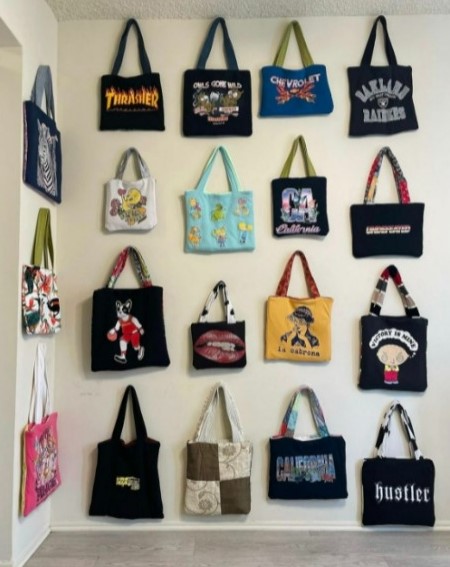
Cotton tote bags are available at nearly every major Canadian grocery chain and drugstore. A standard cotton tote has a lifespan of 500 or more uses if kept clean and stored away from moisture. The environmental break-even point compared to a single-use plastic bag occurs somewhere between 50 and 150 uses, depending on production methods and the study consulted.
Organic cotton versions carry a slightly higher upfront cost — typically $8–$18 at Canadian retailers versus $1–$3 for conventional cotton. The certification matters primarily for the production side, not the use phase.
Mesh Bags for Produce
Mesh produce bags address the one category where a standard tote bag doesn't work well: loose items at a self-checkout scale. Most Canadian supermarket scales are compatible with tared containers when you let cashier staff know, but at self-checkout, mesh bags are light enough (under 20 grams) that many stores simply waive the tare.
Polyester mesh is the most durable option; cotton mesh breathes better but requires more careful drying after washing to prevent mildew. A set of 5–8 bags in mixed sizes covers most produce categories. MEC, Bulk Barn, and Amazon.ca all carry widely available options in Canada.
Insulated Bags
For frozen goods and refrigerated items during a longer shopping trip, insulated bags with foil or foam liners work reliably. Most are machine-washable. They're particularly useful in Canadian winters when a 45-minute transit home in -15°C can turn into a passive freezer anyway — but in summer the insulation extends the cold window by roughly 30–60 minutes.
Rigid Containers: Glass, Stainless, and BPA-Free Plastic

Glass containers are well suited to deli counters and bulk food sections. They're durable, don't absorb odours, and are safe for most foods. The main drawback is weight — a large glass container adds meaningful load to a shopping bag. Tempered glass lids and leak-resistant seals are worth verifying before purchase, particularly for bulk liquids like oils or syrups.
Bringing Containers to Bulk Stores
Bulk Barn has allowed customers to bring their own clean containers since 2019 at most of its 300+ Canadian locations. The procedure is consistent: bring the container to the customer service counter before filling, where staff weigh and note the tare weight. The price displayed on the bulk bin is per 100g or per kilogram; the tare is subtracted at checkout.
Not all bulk retailers have the same policy. Independent bulk stores may have different requirements, and it's worth calling ahead if the store is unfamiliar. Co-op grocery stores in British Columbia and Ontario generally allow it with minimal process.
Stainless Steel
Stainless containers are more durable than glass for regular daily transport and don't risk breaking in a bag. Food-grade stainless (typically 18/8 or 304-grade) doesn't react with acidic foods. The tradeoff is that you can't see the contents without opening the container, which can slow down inventory checks at home.
Where Reusable Packaging Has Limits
Some packaging categories remain difficult to replace with reusable alternatives through standard retail channels:
- Packaged meats: Most Canadian supermarkets don't allow containers at the fresh meat counter for food safety reasons. Some independent butchers do — it's worth asking.
- Liquids in small volumes: Oils, sauces, and condiments are widely sold in glass already. Reusable alternatives work at bulk stores but aren't viable at standard supermarkets.
- Frozen goods: No widely available reusable packaging format replaces frozen food bags or trays at retail level in Canada. Buying fresh and freezing at home is the functional alternative.
Care and Longevity
Reusable packaging only reduces waste if it's actually reused enough times to offset its production impact. Cotton bags should be washed regularly — studies on bacterial transfer in grocery bags suggest weekly washing at warm temperatures is reasonable for regular shoppers. Glass and stainless containers can be run through a dishwasher or washed by hand with standard dish soap.
Most mesh bags are machine-washable in a laundry bag at 30°C. Avoid high heat drying, which degrades elastic edging over time.