Canada's federal single-use plastics prohibition, which came into force in December 2022, banned checkout bags, plastic straw s, cutlery, stir sticks, ring carriers for beverage packaging, and certain takeout food containers. But the items covered by that regulation are a fraction of the single-use plastic a typical Canadian household encounters each week. The rest falls to individual purchasing decisions.
The Most Common Categories
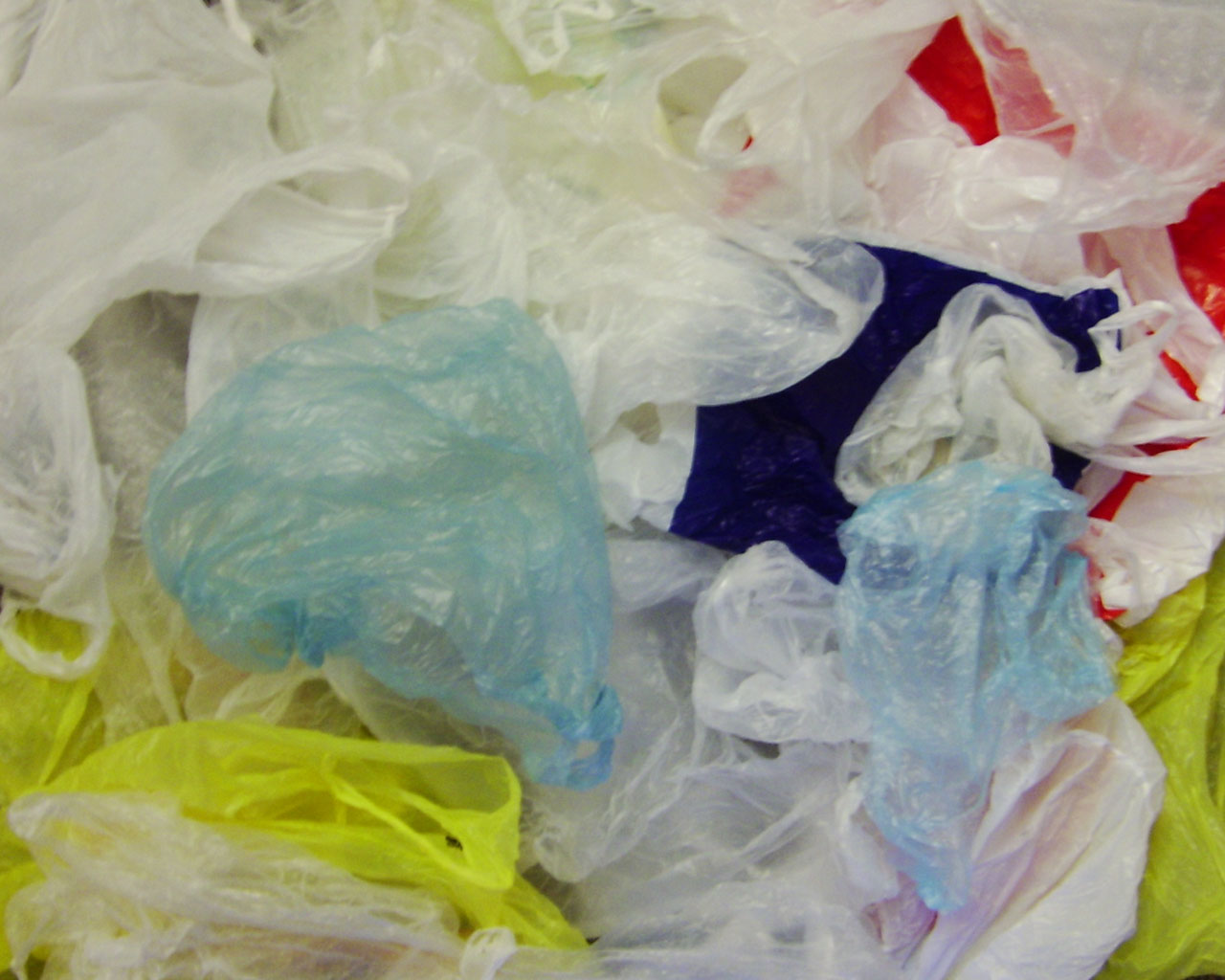
Looking at municipal waste composition studies from Ontario, British Columbia, and Quebec, several product categories consistently appear at the top of plastic waste volumes from residential sources:
- Flexible plastic films — produce bags, bread bags, wrap
- Rigid plastic food containers — yogurt, deli salads, take-out tubs
- Plastic bottles — water, juice, cleaning products
- Plastic cutlery and straws (now federally restricted)
- Packaging overwrap on multipack goods
Flexible Films: The Hardest Category
Flexible plastic film — the kind used for produce bags, bread packaging, and cling wrap — is among the most difficult to address because most municipal blue-box recycling programs don't accept it. In Ontario, soft plastics can be dropped off at participating grocery store locations through a film drop-off program run in partnership with Circular Materials. Not all stores participate, and the program has variable collection frequency.
Practical substitutions for the most common flexible film items:
- Produce bags: Reusable mesh or cotton produce bags, weighed tared at checkout
- Bread bags: Purchasing bread from bakeries that use paper bags, or keeping bread in a linen bread bag at home
- Cling wrap: Beeswax wraps for short-term food covering; tight-fitting container lids for longer storage
- Zip-lock bags: Silicone bags (sold under brands like Stasher) or simply using rigid containers
Rigid Containers: What's Recyclable, What Isn't
Most Canadian municipalities accept rigid plastics in curbside recycling, but acceptance varies by resin type and local processing capacity. In practice, plastics labelled #1 (PET) and #2 (HDPE) are accepted most consistently. Plastics labelled #3 through #7 have significantly lower acceptance rates and often end up in landfill even if placed in the blue bin.
The most direct way to reduce rigid plastic container waste is to reduce the purchase of goods packaged in it — buying concentrated cleaning product refills, choosing glass-packaged foods where price difference is reasonable, and using bulk sections for items like grains, nuts, and legumes.
Takeout Containers
Since the federal prohibition came into effect in 2022, foodservice businesses are no longer permitted to use certain plastic container types for hot food takeout. In practice, many restaurants shifted to foam alternatives (which are also now restricted) or to paperboard and compostable containers. The compliance rate varies by establishment and is monitored inconsistently.
Bringing your own container to a restaurant for takeout is permitted but requires coordination with the establishment. Several Toronto and Vancouver restaurants with high-volume takeout have implemented container deposit systems, though this is uncommon nationally.
Cleaning Products: High Volume, Often Overlooked
Cleaning product bottles — dish soap, laundry detergent, surface cleaners — are high-resin-volume items and heavily branded around packaging. Concentrated tablet or powder formats from brands available in Canada (including Tru Earth, Blueland, and Planet) are designed to dissolve in tap water in a refillable spray bottle or laundry drum.
The economics work out to comparable or lower per-use cost at moderate usage rates. The main adjustment is managing the refill process — tablets need to be on hand before the bottle runs out, which benefits from a slight change in restocking habits.
Canada's Regulatory Context
The federal single-use plastics framework is built under the Canadian Environmental Protection Act, 1999 (CEPA). Environment and Climate Change Canada has indicated additional plastic items may be added to the prohibited list in future regulatory updates. Several provinces have their own extended producer responsibility (EPR) frameworks that require packaging producers to fund end-of-life management for their packaging — British Columbia's Recycle BC and Ontario's Blue Box Program transition to full producer responsibility by 2025 are the most developed examples.